Dental procedures during pandemic are no riskier than a drink of water, study finds
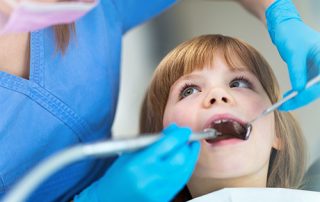
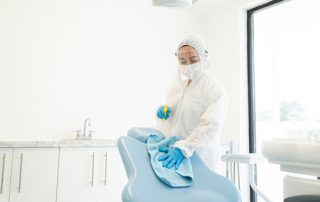
A new study's findings dispel the misconception that patients and providers are at high risk of catching Covid-19 at the dentist's office.


A new study's findings dispel the misconception that patients and providers are at high risk of catching Covid-19 at the dentist's office.
A few years ago, scientists from the University of Pennsylvania School of Dental Medicine found that the dental plaque that gives rise to ECC is composed of both a bacterial species, Streptococcus mutans, and a fungus, Candida albicans. The two form a sticky symbiosis, known scientifically as a biofilm, that becomes extremely virulent and difficult to displace.
Maintenance of good oral health is more important than use of antibiotics in dental procedures for some heart patients to prevent a heart infection caused by bacteria around the teeth, according to a new American Heart Association (AHA) scientific statement published today in the Association's flagship journal, Circulation.
Older adults with more harmful than healthy bacteria in their gums are more likely to have evidence for amyloid beta – a key biomarker for Alzheimer's disease – in their cerebrospinal fluid (CSF), according to new research from the New York University College of Dentistry and Weill Cornell Medicine. However, this imbalance in oral bacteria was not associated with another Alzheimer's biomarker called tau.
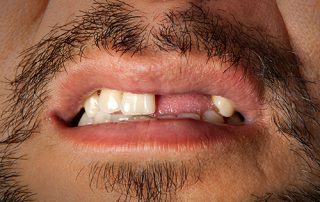
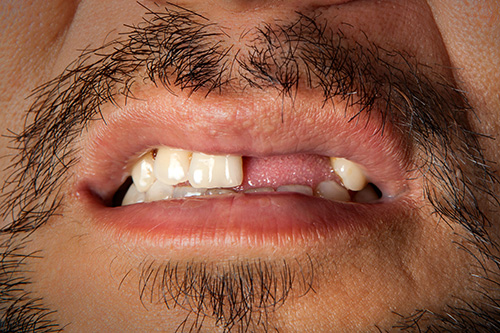
A new study by scientists at Kyoto University and the University of Fukui reports that an antibody for one gene – USAG-1 – can stimulate tooth growth in mice suffering from tooth agenesis, a congenital condition. The paper was published in Science Advances.
A new study has found that people with advanced gum disease are much more likely to suffer complications from coronavirus, including being more likely to require a ventilator and to die from the disease.
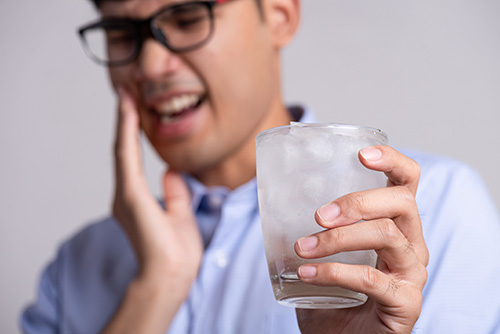
David Clapham, vice president and chief scientific officer of the Howard Hughes Medical Institute (HHMI) in the United States and an international team of scientists have figured out how teeth sense the cold and pinpointed the molecular and cellular factors involved. In both mice and humans, tooth cells called odontoblasts contain cold-sensitive proteins that detect temperature drops, the team reports in the journal Science Advances.
Adults with periodontitis, a severe gum infection, may be significantly more likely to have higher blood pressure compared to individuals who have healthy gums, according to new research published today in Hypertension, an American Heart Association journal.
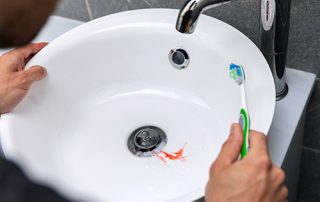
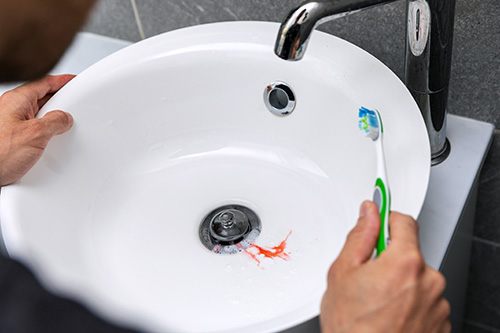
Current advice from the America Dental Association tells you that if your gums bleed, make sure you are brushing and flossing twice a day
People with periodontitis (gum disease) are at higher risk of experiencing major cardiovascular events.